The Law of the Body of Christ
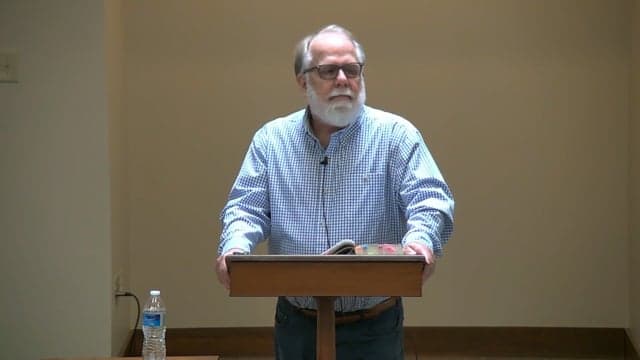
Stephen emphasizes that 1 Corinthians 13 is a profound chapter on love, often misunderstood due to taking it out of context. Love is not merely an emotion but the very life and character of Christ, essential for the functioning and building up of the body of Christ. He explains that spiritual gifts—tongues, prophecy, faith, and acts of sacrifice—are channels through which Christ is imparted, but without love, these are meaningless. Love is the divine life that sustains the body, and its qualities include patience, kindness, humility, and longsuffering. Stephen highlights that love suffers long, bears all things, and rejoices in truth, reflecting Christ’s own love. He stresses that love is not a gift but grace—God’s giving of Himself to us—imparted freely and universally. The development of love into character requires time, diligence, and testing. Ultimately, love never fails, surpassing all spiritual gifts, which are temporary. Walking in love is the path to spiritual maturity and the proper exercise of gifts, ensuring the body of Christ is built up rather than destroyed. Stephen concludes with a prayer for the Holy Spirit’s work in cultivating love within believers, so they may function effectively for the Lord’s glory.
Outline of Main Points
1 Corinthians 13 as a chapter on love, often misunderstood out of context
Love is the divine life and character of Christ, essential for the body of Christ
Spiritual gifts are channels for Christ’s impartation, not the substance itself
Without love, gifts are meaningless; love is the life and law of the body
Qualities of love include patience, kindness, humility, and longsuffering
Love suffers long, bears all things, and rejoices in truth; it is not jealous or proud
Love is grace—God’s giving of Himself—impartial and universal
The development of love into character takes time, diligence, and testing
Love never fails; spiritual gifts are temporary and will pass away
Walking in love is the way to spiritual maturity and proper functioning of the body
Practical call for believers to love sincerely, suffer long, and build up the body of Christ
31 But covet earnestly the best gifts: and yet shew I unto you a more excellent way.
Chapter 13
1 Though I speak with the tongues of men and of angels, and have not charity, I am become as sounding brass, or a tinkling cymbal. 2 And though I have the gift of prophecy, and understand all mysteries, and all knowledge; and though I have all faith, so that I could remove mountains, and have not charity, I am nothing. 3 And though I bestow all my goods to feed the poor, and though I give my body to be burned, and have not charity, it profiteth me nothing.
4 Charity suffereth long, and is kind; charity envieth not; charity vaunteth not itself, is not puffed up, 5 Doth not behave itself unseemly, seeketh not her own, is not easily provoked, thinketh no evil; 6 Rejoiceth not in iniquity, but rejoiceth in the truth; 7 Beareth all things, believeth all things, hopeth all things, endureth all things.
8 Charity never faileth: but whether there be prophecies, they shall fail; whether there be tongues, they shall cease; whether there be knowledge, it shall vanish away. 9 For we know in part, and we prophesy in part. 10 But when that which is perfect is come, then that which is in part shall be done away. 11 When I was a child, I spake as a child, I understood as a child, I thought as a child: but when I became a man, I put away childish things. 12 For now we see through a glass, darkly; but then face to face: now I know in part; but then shall I know even as also I am known. 13 And now abideth faith, hope, charity, these three; but the greatest of these is charity.
Chapter 14
1 Follow after charity, and desire spiritual gifts, but rather that ye may prophesy.