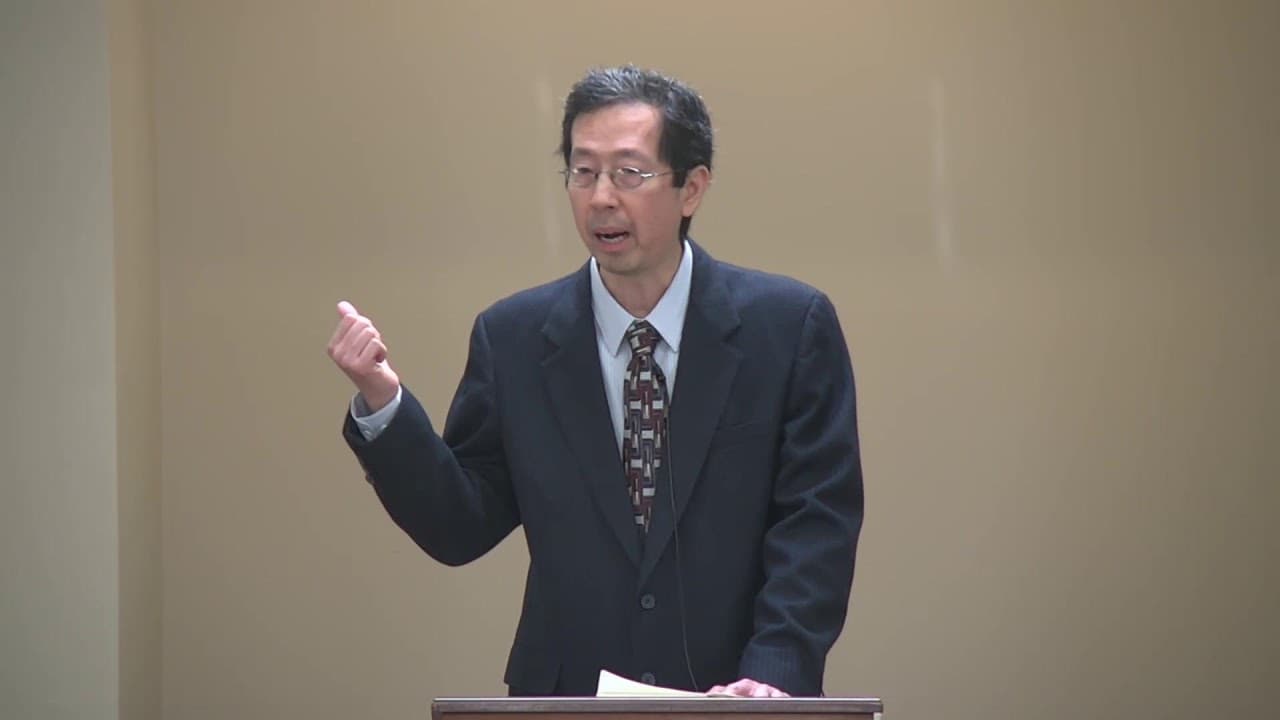
Worship: The Breaking of Bread
In Acts 2:42, Stephen highlights that the early church persisted in the apostles' teaching, fellowship, breaking of bread, and prayer, emphasizing the centrality of communal worship. Similarly, 1 Corinthians 10:16-17 underscores that partaking of the bread and cup signifies communion with Christ's body and blood, uniting believers as one loaf, symbolizing the unity of the church. Stephen explains that the breaking of bread is not merely a ritual but a profound act of worship, remembrance, and fellowship, reflecting both the Lord's death and our hope in His return. He stresses that this act embodies spiritual reality—experiencing Christ's life and cleansing power through the Holy Spirit—rather than mere symbolism or transubstantiation. The communion also signifies our unity with all believers worldwide, fostering love and brotherhood. Stephen urges believers to approach the Lord’s table with reverence, prepared hearts, and a worthy attitude, avoiding careless participation. He emphasizes the importance of personal and corporate preparation—confessing sins, bringing offerings of gratitude, and maintaining an open spirit to the Holy Spirit’s leading. He advocates that after breaking bread, worship should extend to praising the Father, following Christ’s example of leading His disciples to worship God. Overall, Stephen calls for a worship centered on Christ’s sacrifice, expressed through sincere participation, understanding, and reverence, to truly honor God and strengthen the church’s unity.
Main Points Outline
- Early church's focus on teaching, fellowship, breaking of bread, and prayer as core worship practices
- Breaking of bread as a symbol of communion with Christ’s body and blood, emphasizing unity and remembrance
- Worship involves spiritual reality, not just external rituals or symbolism
- Significance of unity with all believers through the loaf representing the whole body of Christ
- Approach to the Lord’s table requires worthy preparation: confessing sins, bringing offerings, and reverence
- Importance of an open spirit and Holy Spirit’s guidance during corporate worship
- Post-breaking of bread worship should include praising the Father, following Christ’s example
- Worship is a holistic, sincere response that honors God and builds church unity
42 And they continued stedfastly in the apostles’ doctrine and fellowship, and in breaking of bread, and in prayers.
16 The cup of blessing which we bless, is it not the communion of the blood of Christ? The bread which we break, is it not the communion of the body of Christ?
23 For I have received of the Lord that which also I delivered unto you, That the Lord Jesus the same night in which he was betrayed took bread:
10 For this is the covenant that I will make with the house of Israel after those days, saith the Lord; I will put my laws into their mind, and write them in their hearts: and I will be to them a God, and they shall be to me a people: 11 And they shall not teach every man his neighbour, and every man his brother, saying, Know the Lord: for all shall know me, from the least to the greatest. 12 For I will be merciful to their unrighteousness, and their sins and their iniquities will I remember no more.
22 I will declare thy name unto my brethren: in the midst of the congregation will I praise thee.